

Hoffman 402409 - Series 2100 Pressure Reducing Main Valve, 1-1/4" NPT
Hoffman 402409 - Series 2100 Pressure Reducing Main Valve, 1-1/4" NPT
Couldn't load pickup availability
Ships factory-new in original packaging.
Not sure if a compatible flange, seal kit, or accessory exists for this item? Ask our team — we're happy to help you find the right part.

TIPS Contract Vendor
Officially awarded purchasing cooperative vendor.
Why Buy From Us
Every quote personally reviewed. Direct sourcing from top manufacturers.
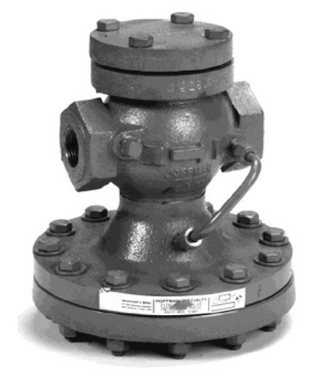
Ensure consistent and efficient pressure regulation in your hydronic heating system with the Hoffman 402409 Series 2100 pressure reducing main valve. This 1-1/4" NPT component is engineered to provide precise control over water feed pressure, safeguarding your boiler and piping infrastructure from damaging spikes while ensuring peak performance.
The valve operates using a spring-loaded diaphragm mechanism that automatically compensates for fluctuations in supply pressure. As downstream pressure drops, the valve opens to restore the set point, maintaining a stable operating environment for the entire system loop.
Key System Performance Baselines:
- Automatic Pressure Regulation: Maintains consistent system filling to prevent cavitation and air binding.
- Robust Construction: Designed for long-term durability in high-demand hydronic loops.
- Precision Connection: Features standard 1-1/4" NPT threading for seamless integration into existing piping.
⚠️ Application Profile: Ideal for commercial and industrial boiler feed applications, closed-loop hydronic heating systems, and make-up water lines where precise pressure management is critical for operational longevity.
| Performance Parameter | Engineering Baseline Value |
|---|---|
| Manufacturer Part Number (MPN) | 402409 |
| Model Designation | Series 2100 |
| Connection Size | 1-1/4" NPT |
Corporate Procurement & PO Processing
Formal Purchase Orders (POs) and tax-exempt ordering are accepted for commercial contractors and institutional facilities.
Apply for Trade Account & Terms →📋 Procurement & Shipping Notice
- LTL Freight Dispatch: Heavy commercial units ship directly via insured LTL carrier with delivery coordination included.
- Project Timelines & Submittals: Need guaranteed delivery dates, formal submittals, or tax-exempt processing?
👉 Request a Commercial Quote or contact our procurement team for direct freight scheduling.