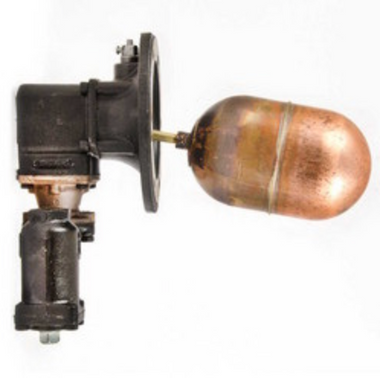
McDonnell & Miller 126400 Model 21 Make-Up Water Feeder
McDonnell & Miller 126400 Model 21 Make-Up Water Feeder
Couldn't load pickup availability

TIPS Contract Vendor
We are an officially awarded purchasing cooperative vendor.
📋 Procurement & Shipping Notice
- LTL Freight Dispatch: Heavy commercial units ship directly via insured LTL carrier with delivery coordination included.
- Project Timelines & Submittals: Need guaranteed delivery dates, formal submittals, or tax-exempt processing?
👉 Request a Commercial Quote or contact our procurement team for direct freight scheduling.
Corporate Procurement & PO Processing
Formal Purchase Orders (POs) and tax-exempt ordering are accepted for commercial contractors and institutional facilities.
Apply for Trade Account & Terms →| Performance Parameter | Engineering Baseline Value |
|---|---|
| Manufacturer Part Number | 126400 |
| Model Designation | Model 21 |
Maintain consistent boiler water levels and prevent low-water damage with the reliable 126400 McDonnell & Miller Model 21 make-up water feeder. This essential component is engineered to automatically replenish water supply in steam and hot water boilers, ensuring your hydronic system operates at optimal efficiency without the need for manual intervention.
The unit utilizes a precision-engineered float mechanism that monitors the fluid level within the boiler. When levels drop below the threshold, the valve assembly opens to introduce make-up water, closing automatically once the required set point is reached to prevent overfilling and potential pressure issues.
Key System Performance Baselines:
- Automatic Regulation: Maintains consistent water line levels for peak boiler efficiency.
- Robust Engineering: Designed for long-term durability in high-cycle hydronic environments.
- Seamless Integration: Engineered to provide reliable mechanical fluid control across diverse boiler configurations.
⚠️ Application Profile: Recommended for use in residential and commercial steam or hot water heating boilers where automatic, mechanical level control is required for system safety and consistent pressure management.