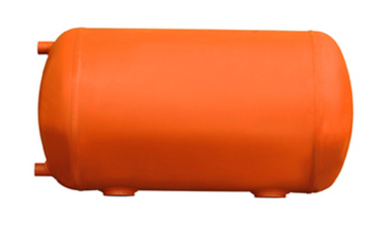
Taco PS060-125 60 Gallon PS Expansion Tank
Taco PS060-125 60 Gallon PS Expansion Tank
Couldn't load pickup availability

TIPS Contract Vendor
We are an officially awarded purchasing cooperative vendor.
📋 Procurement & Shipping Notice
- LTL Freight Dispatch: Heavy commercial units ship directly via insured LTL carrier with delivery coordination included.
- Project Timelines & Submittals: Need guaranteed delivery dates, formal submittals, or tax-exempt processing?
👉 Request a Commercial Quote or contact our procurement team for direct freight scheduling.
Corporate Procurement & PO Processing
Formal Purchase Orders (POs) and tax-exempt ordering are accepted for commercial contractors and institutional facilities.
Apply for Trade Account & Terms →| Performance Parameter | Engineering Baseline Value |
|---|---|
| Manufacturer Part Number (MPN) | PS060-125 |
| Model Designation | Taco PS Expansion Tank |
| Volume Capacity | 60 Gallons |
Maintaining proper system pressure is essential for the longevity of hydronic heating and cooling systems, and the PS060-125 provides the reliable capacity needed for larger installations. This 60-gallon expansion tank, designated as the Taco PS060-125, effectively absorbs the expansion of thermal fluid as it heats, protecting your pumps and piping from damaging pressure spikes.
The tank utilizes an internal bladder design to create a permanent barrier between the system water and the air cushion. By isolating the fluid, this mechanism prevents waterlogging and inhibits internal corrosion, ensuring the tank maintains its pre-charge pressure over extended operational cycles.
Key System Performance Baselines:
- Pressure Regulation: Maintains consistent system pressure to prevent relief valve discharge.
- System Longevity: Protects critical components like circulators and heat exchangers from thermal stress.
- Corrosion Control: Isolates system fluid to prevent oxygen infiltration and oxidative wear.
⚠️ Application Profile: Recommended for large-scale residential and commercial hydronic heating systems, high-volume radiant floor setups, and industrial climate control loops requiring significant thermal expansion absorption.