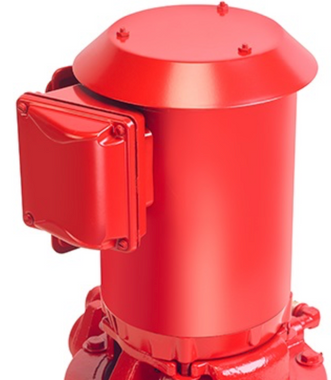
Armstrong 430783-083 4360 2HP 3-Phase Pump Motor
Armstrong 430783-083 4360 2HP 3-Phase Pump Motor
Couldn't load pickup availability

TIPS Contract Vendor
We are an officially awarded purchasing cooperative vendor.
📋 Procurement & Shipping Notice
- LTL Freight Dispatch: Heavy commercial units ship directly via insured LTL carrier with delivery coordination included.
- Project Timelines & Submittals: Need guaranteed delivery dates, formal submittals, or tax-exempt processing?
👉 Request a Commercial Quote or contact our procurement team for direct freight scheduling.
Corporate Procurement & PO Processing
Formal Purchase Orders (POs) and tax-exempt ordering are accepted for commercial contractors and institutional facilities.
Apply for Trade Account & Terms →| Performance Parameter | Engineering Baseline Value |
|---|---|
| Manufacturer Part Number (MPN) | 430783-083 |
| Model Designation | Armstrong 4360 |
| Motor Horsepower | 2HP |
| Phase | 3-Phase |
Maintain peak circulation efficiency in your commercial hydronic system with the Armstrong 430783-083 2HP pump motor. Engineered as a high-performance replacement component for the Armstrong 4360 series, this rugged 3-phase motor ensures consistent fluid movement, preventing overheating and mechanical strain in demanding HVAC environments.
This motor operates by converting electrical energy into precise rotational force, driving the pump impeller to maintain required system pressure and flow rates. Its robust 3-phase design provides smoother operation and higher torque than single-phase alternatives, making it an essential upgrade for heavy-duty heating and cooling infrastructure.
Key System Performance Baselines:
- Motor Output: 2HP capacity for reliable fluid circulation.
- Electrical Configuration: 3-Phase power for industrial efficiency.
- Compatibility: Engineered specifically for Armstrong 4360 pump series.
⚠️ Application Profile: This motor is designed for institutional and commercial hydronic heating, chilled water loops, and process fluid systems where continuous, high-efficiency duty cycles are required.