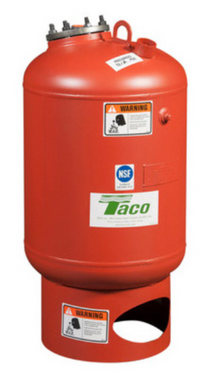
Taco CA140-125 CA Series Expansion Tank
Taco CA140-125 CA Series Expansion Tank
Couldn't load pickup availability

TIPS Contract Vendor
We are an officially awarded purchasing cooperative vendor.
📋 Procurement & Shipping Notice
- LTL Freight Dispatch: Heavy commercial units ship directly via insured LTL carrier with delivery coordination included.
- Project Timelines & Submittals: Need guaranteed delivery dates, formal submittals, or tax-exempt processing?
👉 Request a Commercial Quote or contact our procurement team for direct freight scheduling.
Corporate Procurement & PO Processing
Formal Purchase Orders (POs) and tax-exempt ordering are accepted for commercial contractors and institutional facilities.
Apply for Trade Account & Terms →| Performance Parameter | Engineering Baseline Value |
|---|---|
| Manufacturer Part Number (MPN) | CA140-125 |
| Model Designation | CA Series |
This reliable diaphragm-style expansion tank is engineered to absorb the expansion of heated water in closed-loop hydronic systems, effectively preventing pressure spikes and valve damage. The Taco CA140-125 is specifically built for durability and consistent performance in demanding residential and light commercial HVAC applications.
The vessel features a heavy-duty butyl diaphragm that creates an impermeable barrier between the system water and the air cushion. As the boiler heats, the excess water volume pushes against the diaphragm, compressing the pre-charged air buffer to maintain system pressure within safe operational limits, ensuring prolonged equipment life.
Key System Performance Baselines:
- Pressure Regulation: Stabilizes internal system pressure during thermal cycling.
- Diaphragm Integrity: Heavy-duty butyl construction prevents water logging and corrosion.
- System Compatibility: Engineered for seamless integration with standard hydronic heating loops.
- Energy Efficiency: Helps maintain optimal flow rates by preventing air-related performance fluctuations.
⚠️ Application Profile: Primarily used in residential and commercial radiant heating systems, closed-loop solar thermal setups, and chilled water circulation loops where thermal expansion control is mandatory for system integrity.